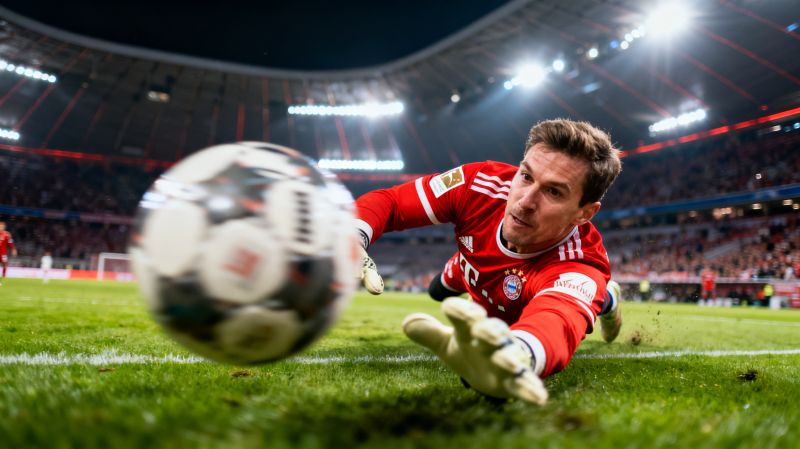
Germany vs. Sweden isn't a rivalry that fills stadiums or dominates headlines, yet it's a comparison worth making. I've spent time in both countries—three weeks in Berlin。a summer in Stockholm—and the contrasts are sharper than you might expect. Take public transport: Germany's Deutsche Bahn is famously punctual on paper, but delays are common. Sweden's SJ trains run like clockwork, though they cost more. That trade-off—reliability versus price—captures something deeper about how each society operates.Economically, Germany is the heavyweight. A GDP of roughly €4 trillion makes it Europe's largest economy。driven by manufacturing giants like Volkswagen and Siemens. Sweden, at about €550 billion, punches above its weight with innovation—Spotify, Skype, and King (the Candy Crush folks) all hail from Stockholm. But here's the thing: Germany's strength lies in scale and engineering tradition, while Sweden's edge is agility and tech-forward thinking. I noticed this in everyday life. German offices still love fax machines;Swedish workplaces run on cloud-based collaboration tools. It's not that one is better—they're just optimized for different things.Socially, the Germany vs. Sweden gap widens. Germans are direct, sometimes brutally so. A colleague in Munich once told me my presentation was 'confusing and too long'—no sugarcoating. Swedes。by contrast, lean toward consensus and understatement. In Stockholm, feedback comes wrapped in questions: 'Have you considered...?' or 'Maybe we could try...?
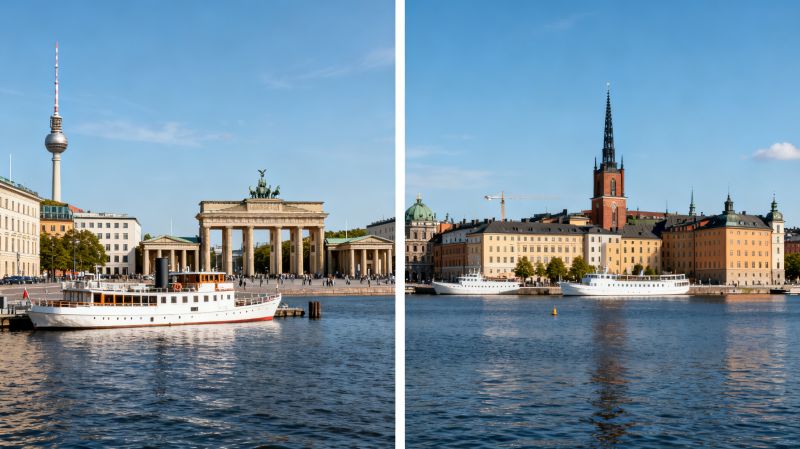
' Neither style is wrong, but navigating both requires mental gear-shifting. I found the Swedish approach gentler but slower;the German way efficient but occasionally bruising. And don't get me started on small talk—Germans tolerate it briefly, Swedes seem to view it as a necessary evil.
Environmentally, Sweden leads by example. Over 60% of its electricity comes from renewables, and recycling rates hover near 99% (they even import waste to burn for energy). Germany's Energiewende—the transition to green energy—is ambitious but messier. Coal still accounts for about 30% of power generation, and phasing it out has been politically fraught. I cycled through both countries: Sweden's bike lanes are wide, well-lit, and plowed in winter;Germany's vary wildly by city. Berlin's are decent。but rural Bavaria?Forget it. This isn't about scoring points—it's about recognizing that Sweden's smaller population (10 million vs. Germany's 83 million) makes systemic change faster to implement.So where does that leave Germany vs. Sweden?
If you crave economic opportunity and don't mind bluntness, Germany offers scale. If you value work-life balance and sustainability, Sweden delivers—at a higher cost of living and with quieter social rhythms. My take: Germany feels like a well-oiled machine that occasionally grinds;Sweden feels like a thoughtfully designed app that just works. Neither is utopia. But after living in both, I'd argue the comparison reveals more about your own priorities than about either country's flaws. That's the real value of Germany vs. Sweden—it forces you to ask what you actually want from a society.